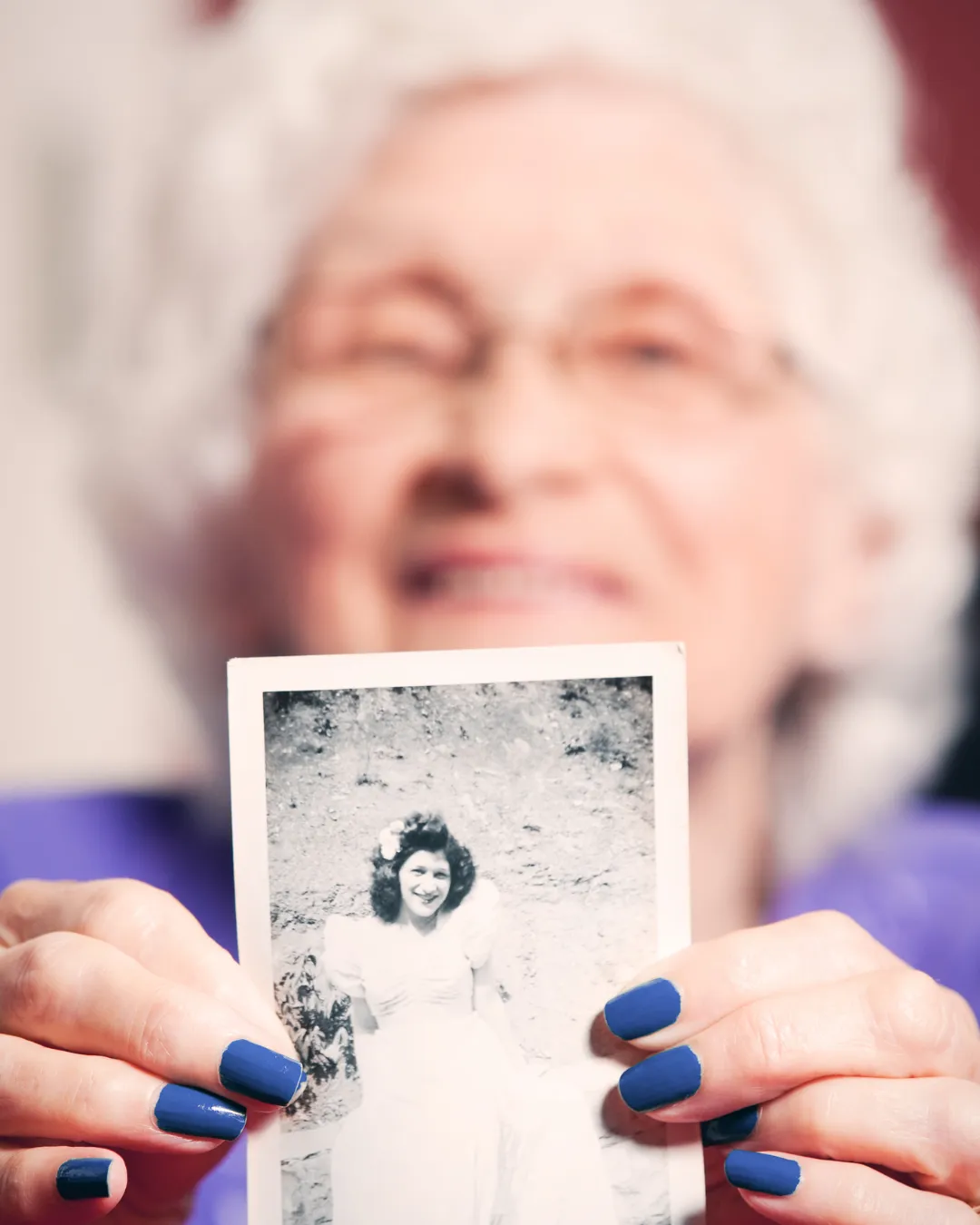
Past Meet Present
It is often said that we must not dwell on the past and only think about the present. However, this can be hard to do when our past has shaped so much of who we are today, particularly in the case of trauma. We want to move on, but it seems impossible. The wounds never fully healed, leaving us with permanent scars. I saw a post the other day that said underneath trauma is grief and to survive, we repress that grief but to heal, we excavate the grief and learn how to be with it, and that the more space we give ourselves to grieve, the more we heal. That is why I believe a better ideal to strive towards is one where we honour the trials and tribulations of the past, while also readying ourselves for the future.
This can look like the following:
Acknowledgment without rumination
To acknowledge your past trauma, in many ways, is not a bad thing. If anything, it serves as a way to show yourself compassion. To know that you’ve been through a lot, shown resilience, and deserve respect for that. However, to get stuck in this trauma by constantly thinking about it and shaping your whole life around the pain it caused is where the problem occurs. You want to be able to acknowledge you, your trauma, and that they are separate entities.
Understanding that multiple emotions can exist at the same time
Many people assume that if they are happy that means they have moved on from their trauma or if they are sad it means they are still stuck in it. This is a reductive way of thinking, and not true. Any one person can be experiencing all sorts of emotions at once. You can be happy about your present, while feeling sad about the past. A month after my dad’s traumatic passing, my cousin got married. The day of his wedding was joyous, particularly because my cousin and his bride are absolutely lovely people so everyone was really happy for them so naturally I was happy too. Alas, I was sad as well. My dad had originally anticipated attending the wedding, even though he was sick. He had bought an outfit for the day and was preparing a few remarks to say at the reception. To be there without him, when he was supposed to be there, felt a bit depressing.
Moving forward but not forgetting
It is obviously important to move forward in one’s life. No one wants to get so stuck in their trauma that everything is on hold and you are unable to move forward. A key point in the third season of the television show Shrinking is that Jimmy, a therapist who lost his wife in a car accident, must begin moving on from his loss. This path is exemplified by his decision to date again. It is a rocky process with him pushing away his new girlfriend at various points, but the season ends with his mentor telling him to go for it. Jimmy questions how he can do this with all of the scars his life has left him with and his mentor says that it would be a shame to be his age and not covered in scars. We do not have to get rid of our scars to move forward. Conversely to Shrinking, in the television show Mad Men, the main character (Don) refuses to acknowledge his childhood trauma and is known for his “move forward” mantra. As I mentioned, while it is good to move forward, Don takes it to such an extreme that he has become emotionally detached. When his brother reappears in his life and expresses a wish for the two of them to reconnect, Don says he never wants to see him again (which we are led to understand is because his brother serves as a reminder of their childhood). This rejection hurts his brother so much that he takes his own life. Which is why I contend, it is best to take Jimmy’s approach towards trauma, not Don’s. A healthy middle ground is key.