The Impact of Caregiving
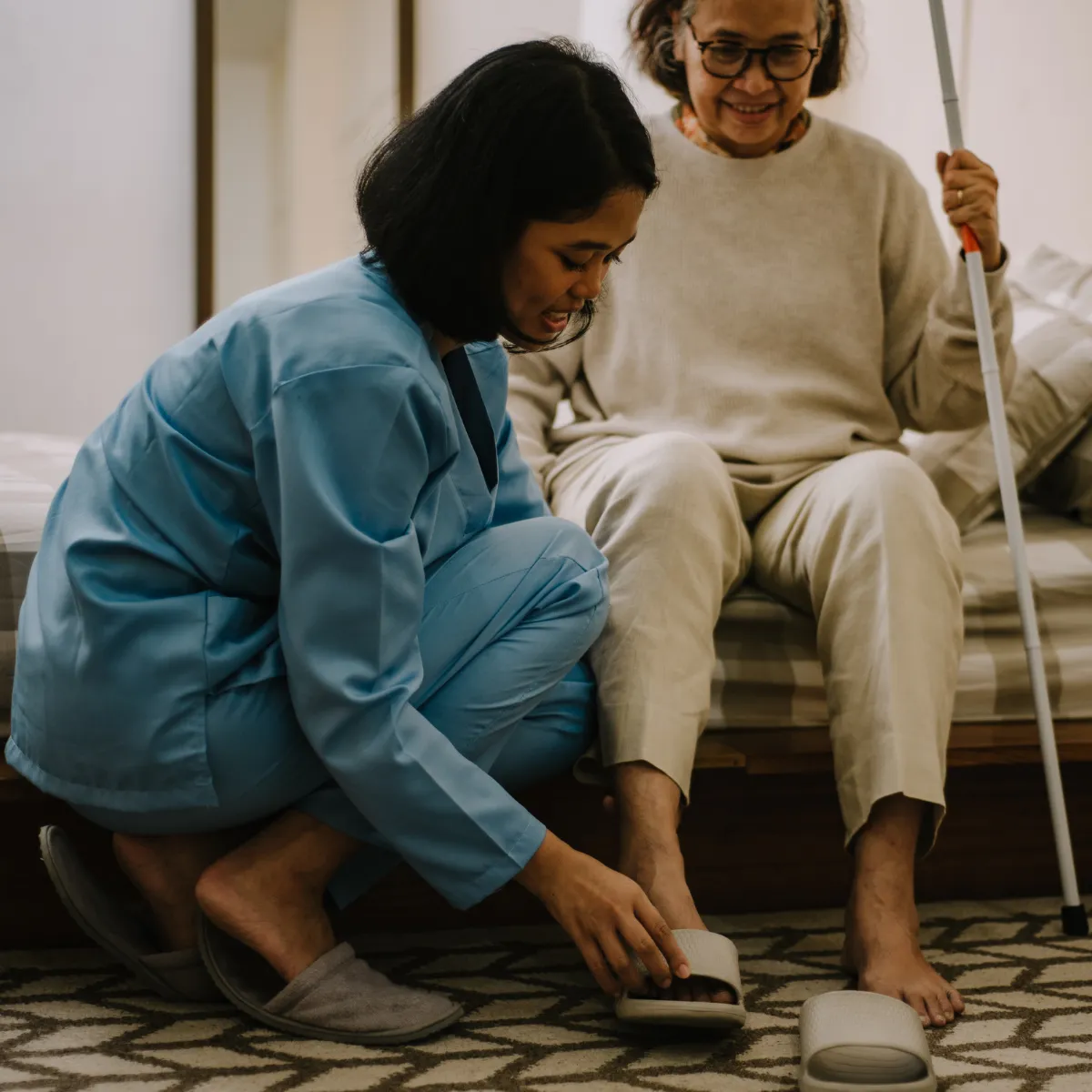
Caregiving is one of the most common human experiences, yet it remains one of the least talked about. Millions of people, adult children, spouses, siblings, friends, quietly reorganize their lives around someone else's needs, often without a roadmap or much outside support. The impact ripples outward in ways that aren't always visible: career detours, strained relationships, financial pressure, and a complicated mix of love, exhaustion, and meaning that's hard to put into words.
One of the less visible impacts of caregiving is the quiet grief that tends to settle over you, often so gradually you don't recognize it as grief at all. There's the grief of watching someone you love change: losing capabilities they once took for granted, or shifting in personality in ways that can feel disorienting and strange. The person in front of you is still there, and yet. There's also the grief that turns inward, for the version of yourself that existed before caregiving took over, for the life you had mapped out, for the ambitions or routines or relationships that quietly fell away. For example, a caregiver who once regularly met with friends and now rarely leaves the house, or who put a career on hold indefinitely, may not immediately name what they're feeling as loss. But that's often exactly what it is.
Many caregivers also find themselves sliding into what might be called over-caring, sometimes without realizing it's happened. It's the feeling of being responsible not just for someone's physical needs, but for their emotions and outcomes too. Your own needs start to feel like an afterthought, secondary by default. Your sense of identity quietly narrows until it revolves almost entirely around fixing, helping, and managing. A caregiver might notice they can no longer sit down to a meal without mentally running through a checklist, or that they feel a low hum of anxiety any time things seem too calm. And when they do manage to step away, even briefly, guilt tends to follow. A weekend visit with friends, a solo walk, an hour of doing nothing in particular, all of it can feel like a small betrayal. Over-caring is often framed as devotion, and it can look that way from the outside. But left unchecked, it has real costs.
Caregiving is rarely a short-term arrangement. For many people, it unfolds over months or years, which makes it less of a sprint and more of a marathon. And like any long endurance effort, it requires tending to yourself along the way, not as a luxury but as a necessity. Burnout is a very real risk, and it doesn't always arrive dramatically. Often, it creeps in slowly, making it easy to miss or dismiss. It can show up as emotional exhaustion, a persistent feeling of detachment, hopelessness, or irritability that doesn't seem to lift. It can look like disrupted sleep, a body that feels constantly fatigued, or a newfound susceptibility to every cold and bug that passes through. It can also show up in behaviour: numbing out in front of screens, snapping at people you love over small things, or withdrawing from conversations and connection altogether. None of these signs means you are failing. They mean you are human, and that something needs to change before it gets worse.
There are practical tools that can help. Building daily anchors into your routine, regular mealtimes, brief moments of stillness, and a simple wind-down at the end of the day can provide a sense of structure when everything else feels unpredictable. Clear communication also matters: phrases like "this is what I'm able to do right now" or "I need some time to process this" are not weaknesses; they are boundaries. And protect your time deliberately. Block out space to rest and recover, and when you do say yes to things, say yes with limits attached.
Connection is another important tool. Isolation quietly amplifies stress, even when solitude feels easier in the moment. Reaching out to others, even briefly, can offer real relief from emotional strain. There is particular comfort in talking to someone who understands from the inside, another caregiver who gets it without needing much explanation. You are not alone in this, even when it feels that way.
Stress regulation is also worth building into your routine. Deep breathing, grounding exercises, short walks, small breaks throughout the day; these are not indulgences, they are tools that help you stay calm and present. Setting boundaries matters too. That might sound like "I'm not able to do that right now," or it might mean handing a responsibility to someone else entirely. It also helps to think about what emotional availability realistically looks like for you, and to define that for yourself rather than letting it be defined by demand.
Small breaks can carry more weight than they seem. Five or ten minutes of quiet, a cup of coffee or tea without any distractions, a small ritual that feels genuinely your own. These moments of recovery add up.
Caregiving asks a great deal of you. But carrying it alone is not a requirement, and it is not a badge of honour. Seeking support, whether through a caregiver group, respite services, or therapy, is one of the most important things you can do, for the person you are caring for and for yourself. You cannot pour from an empty cup, and you deserve to be looked after too. Reach out. Let people in. You do not have to do this alone.